
Hormonal and fertility studies
The secret map of your fertility Many patients come to IREGCI with a common question: “Doctor, my periods are normal, why do I need to have blood tests?” Contact us now!! What are they telling us? Hormonal studies, really? The answer is fascinating: Your blood tells the story your ovaries can’t reveal to the naked eye. Hormonal testing is the compass of fertility. Before starting any treatment, we need to understand how your brain and ovaries communicate. If the “chemical messengers” (hormones) don’t carry the correct message, pregnancy won’t occur. Here we explain, without complicated terms, what we look for in your blood and why it is vital for your diagnosis. The “Egg Reserve”: Anti-Müllerian Hormone (AMH) This is perhaps the most valuable test available today. What does it do? It tells us how many eggs you have left in your ovaries. Why does it matter? Unlike other hormones that fluctuate throughout the month, AMH is stable. It tells us whether your ovarian reserve is high, normal, or low for your age. It’s crucial for deciding whether we can attempt a simple insemination or if we need to proceed directly to IVF before time runs out. The “Gasoline” of the system: FSH and LH These hormones are usually tested between days 2 and 4 of your period. FSH (Follicle-Stimulating Hormone): This is the hormone that fuels the ovaries. If your FSH level is very high at the beginning of your cycle, it means your body is working too hard to ovulate, which is a sign of low ovarian reserve. LH (Luteinizing Hormone): This hormone is responsible for giving the final signal for the egg to be released (ovulation). The “Silent Saboteurs”: TSH and Prolactin Sometimes, the problem isn’t in the ovaries, but in neighboring glands. TSH (Thyroid): An uncontrolled thyroid (even slightly) can cause miscarriages or lack of ovulation. In fertility clinics, we are very strict about these levels. Prolactin: This is the hormone responsible for breastfeeding. If it’s high when you’re not pregnant, it can completely block ovulation. And sometimes, just one pill is enough to correct it! The “Nest”: The “Nest”: This is usually measured on day 21 of your cycle. It confirms whether you ovulated or not, and whether your body is producing enough “bubble” for the embryo to implant in the uterus. Why conduct these studies at IREGCI? You might think, “I can get this done at any lab.” And it’s true, the blood draw is the same. But the interpretation isn’t. At IREGCI, we don’t deal with paperwork, we treat patients. A value that a general practitioner considers “normal” could be the subtle cause of your infertility for a reproductive specialist. We analyze your hormones in conjunction with your ultrasound and medical history. We don’t just look at isolated numbers; we see the complete picture of your body to chart the shortest path to your baby. https://www.youtube.com/watch?v=0Ecy0jJt9NI How to get to IREGCI Your hormones hold the answers you’re looking for. IREGCI, we’re with you every step of the way! FAQs – Frequently Asked Questions When should I see a fertility specialist? If you have been trying to conceive for more than 12 months (or 6 months if you are over 35) without success, a medical evaluation is recommended. What is the difference between artificial insemination and in vitro fertilization (IVF)? Insemination places the sperm directly into the uterus, while IVF fertilizes the egg in a laboratory and then transfers the embryo. Is fertility treatment painful? Most procedures are minimally invasive and are performed with anesthesia or pain-reduction measures. What are the chances of success for a treatment? It depends on the couple’s age, diagnosis, method used, and overall health. A specialist can estimate your personalized probability. How does age affect fertility? Female fertility declines significantly from the age of 35 due to the quantity and quality of the eggs. What options are available if I cannot use my own eggs or sperm? Egg, sperm or embryo donation can be used. If you have been trying to conceive for more than 12 months (or 6 months if you are over 35) without success, a medical evaluation is recommended. Insemination places the sperm directly into the uterus, while IVF fertilizes the egg in a laboratory and then transfers the embryo. Most procedures are minimally invasive and are performed with anesthesia or pain-reduction measures. It depends on the couple’s age, diagnosis, method used, and overall health. A specialist can estimate your personalized probability. Female fertility declines significantly from the age of 35 due to the quantity and quality of the eggs. Egg, sperm or embryo donation can be used. IREGCI, we’re with you every step of the way! FAQs – Frequently Asked Questions When should I see a fertility specialist? If you have been trying to conceive for more than 12 months (or 6 months if you are over 35) without success, a medical evaluation is recommended. What is the difference between artificial insemination and in vitro fertilization (IVF)? Insemination places the sperm directly into the uterus, while IVF fertilizes the egg in a laboratory and then transfers the embryo. Is fertility treatment painful? Most procedures are minimally invasive and are performed with anesthesia or pain-reduction measures. What are the chances of success for a treatment? It depends on the couple’s age, diagnosis, method used, and overall health. A specialist can estimate your personalized probability. How does age affect fertility? Female fertility declines significantly from the age of 35 due to the quantity and quality of the eggs. What options are available if I cannot use my own eggs or sperm? Egg, sperm or embryo donation can be used. If you have been trying to conceive for more than 12 months (or 6 months if you are over 35) without success, a medical evaluation is recommended. Insemination places the sperm directly into the uterus, while IVF fertilizes the egg in a laboratory and then transfers the embryo. Most procedures are minimally invasive and are performed with anesthesia
Initial fertility consultation
Your first fertility consultation You’ve been trying for a while now. Month after month, hope mixes with frustration when your period arrives. You’ve probably Googled it, tried home remedies, and wondered, “Is there something wrong with us?” Contact us now!! The first real step towards your baby (What to expect?) Taking the step of calling a fertility clinic like IREGCI can be daunting. It’s normal to feel nervous. But we can assure you of one thing: the first consultation isn’t the end of anything, it’s the beginning of the solution. Today we want to tell you exactly what happens on that first date so you can leave your fear at home and come with confidence. When should I schedule this appointment? You don’t have to wait years. The general medical rule is simple: If you are under 35: After one year of trying to conceive without success. If you are over 35: After six months of trying. Time is of the essence at this age. Special cases: If you have very irregular periods, a history of pelvic surgery, or severe pain, don’t wait: consult a doctor immediately. What exactly happens during the First Consultation? At IREGCI, our first appointment is divided into 3 key moments. It’s not an exam, it’s a conversation between you, your partner, and the specialist. 1. The Interview (Medical History) The doctor will want to get to know you. They will ask questions about your general health, family history, lifestyle habits, and details about your sex life. Tip: If you have previous test results or reports from other doctors, bring them! They will help us piece together the puzzle faster. 2. Her Evaluation (Gynecological Ultrasound) We will perform a specialized transvaginal ultrasound. Unlike a routine ultrasound, here we look for specific things: We count your antral follicles (to estimate your ovarian reserve). We examine the shape of your uterus. We rule out cysts, fibroids, or polyps that may be acting as a “natural IUD.” 3. His Evaluation (We haven’t forgotten about them) 40% of infertility cases are male-related. That’s why at IREGCI we usually request a semen analysis (sperm test) if you haven’t had one recently. It is vital to know how many sperm there are and how they move before proposing any treatment to the woman. Will I leave the consultation with a treatment plan? Not necessarily, and that’s a good thing. Sometimes the doctor will order additional tests (such as hormone analysis or a video fallopian tube) to get the full picture. At IREGCI, we don’t believe in “blind” treatments. The goal of this first appointment is to arrive at a DIAGNOSIS. Only when we know why pregnancy isn’t happening can we design a plan (whether it’s timed intercourse, insemination, or IVF) that will truly work for you. Why choose IREGCI for your initial assessment? Because you need more than a doctor; you need a strategist. Led by Dr. Ramón Espinal, we not only have the technology to see what others can’t, but also the ethics to tell you the truth. If your problem can be solved with something simple, we’ll tell you. If you need a more complex solution, we have the highest success rates. Stop guessing and start knowing. That’s the power of the first consultation. Lift the weight of uncertainty off your shoulders. Ready for a plan? https://www.youtube.com/watch?v=0Ecy0jJt9NI How to get to IREGCI Uncertainty weighs more than the diagnosis. IREGCI, we’re with you every step of the way! FAQs – Frequently Asked Questions When should I see a fertility specialist? If you have been trying to conceive for more than 12 months (or 6 months if you are over 35) without success, a medical evaluation is recommended. What is the difference between artificial insemination and in vitro fertilization (IVF)? Insemination places the sperm directly into the uterus, while IVF fertilizes the egg in a laboratory and then transfers the embryo. Is fertility treatment painful? Most procedures are minimally invasive and are performed with anesthesia or pain-reduction measures. What are the chances of success for a treatment? It depends on the couple’s age, diagnosis, method used, and overall health. A specialist can estimate your personalized probability. How does age affect fertility? Female fertility declines significantly from the age of 35 due to the quantity and quality of the eggs. What options are available if I cannot use my own eggs or sperm? Egg, sperm or embryo donation can be used. If you have been trying to conceive for more than 12 months (or 6 months if you are over 35) without success, a medical evaluation is recommended. Insemination places the sperm directly into the uterus, while IVF fertilizes the egg in a laboratory and then transfers the embryo. Most procedures are minimally invasive and are performed with anesthesia or pain-reduction measures. It depends on the couple’s age, diagnosis, method used, and overall health. A specialist can estimate your personalized probability. Female fertility declines significantly from the age of 35 due to the quantity and quality of the eggs. Egg, sperm or embryo donation can be used. IREGCI, we’re with you every step of the way! FAQs – Frequently Asked Questions When should I see a fertility specialist? If you have been trying to conceive for more than 12 months (or 6 months if you are over 35) without success, a medical evaluation is recommended. What is the difference between artificial insemination and in vitro fertilization (IVF)? Insemination places the sperm directly into the uterus, while IVF fertilizes the egg in a laboratory and then transfers the embryo. Is fertility treatment painful? Most procedures are minimally invasive and are performed with anesthesia or pain-reduction measures. What are the chances of success for a treatment? It depends on the couple’s age, diagnosis, method used, and overall health. A specialist can estimate your personalized probability. How does age affect fertility? Female fertility declines significantly from the age of 35 due to the quantity and quality of the eggs. What options are available if I
When should egg donation be considered as an option?
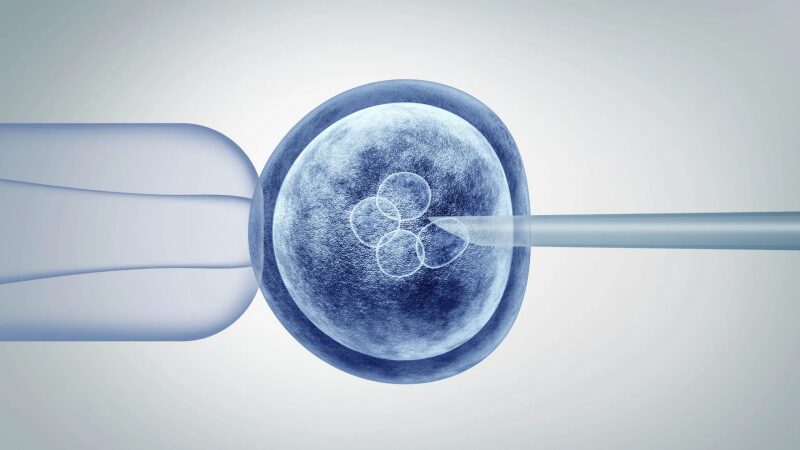
The key that opens the door when others have closed Discover when egg donation becomes your safest, fastest, and most effective route to achieving pregnancy. Contact us now!! You provide life, we provide the cell: An unbreakable bond Understand why, thanks to epigenetics and gestation, that baby will be biologically and legally yours, regardless of DNA. Contact us now!! When to consider Is egg donation an option? When is the medically appropriate time to consider egg donation? We help you take the step towards real motherhood. Egg donation: When love is stronger than genetics There comes a point in the fertility journey when the doctor presents a new option: egg donation (receiving eggs from a donor). We know how it feels. At first, the answer is usually a resounding “no.” Fear, doubt, and a sense of grief over the genetic burden arise. “Will the baby look like me?” “Will I feel like my child?” However, egg donation is currently the most successful assisted reproductive technology. It’s the door that opens when all others seem to close. When is egg donation the best medical option? There are biological situations where persisting with using your own eggs is emotionally and financially draining with very little chance of success. Your doctor will suggest egg donation if: 1. Low ovarian reserve or early menopause: If your ovaries no longer produce eggs (or produce very few), egg donation is the solution to achieve pregnancy. 2. Advanced maternal age (over 40-43 years): After age 40, egg quality declines drastically, and the risk of chromosomal abnormalities increases. Egg donation eliminates this risk, offering pregnancy rates comparable to a 25-year-old woman, regardless of your age. 3. Repeated IVF failures: If you have undergone several IVF cycles with your own eggs and the embryos do not implant or develop, the cause is likely related to egg quality. 4. Hereditary genetic diseases: To avoid passing on a serious genetic condition to your baby. The great fear: “Is it my son?” This is the question that keeps all patients up at night. The short answer is: YES, absolutely. And it’s not just a pretty phrase; it’s science. There’s something called epigenetics. Although the “recipe” (the DNA) comes from the donor, you provide the “ingredients” and the “oven.” Your uterus, your blood, and your body are what build that baby, cell by cell. Your body decides which genes are activated and which are deactivated. You conceive it. You nourish it. You give birth to it. You raise it. Motherhood is about bonding, care, and love, not just a DNA strand. Make your appointment right now! Δ What is the process like at IREGCI? At IREGCI, this process is anonymous and rigorous. Strict Selection: Our donors are young, healthy women who undergo psychological and genetic evaluation. Phenotypic Matching: We look for a donor who physically resembles you (eye color, skin tone, hair color, height) so that the baby will integrate naturally into your family. A decision born of love Egg donation isn’t giving up; it’s changing your strategy to achieve your goal. It’s the greatest act of generosity: accepting that what matters isn’t that the baby has your eyes, but that it has your life, your values, and your love. Patients who take this step often tell us the same thing when they hold their baby in their arms: “If I had known this was my child, I wouldn’t have waited so long.” https://www.youtube.com/watch?v=0Ecy0jJt9NI How to get to IREGCI Don’t let an obstacle in your body stop you from achieving your life’s dream. IREGCI, we’re with you every step of the way! FAQs – Frequently Asked Questions When should I see a fertility specialist? If you have been trying to conceive for more than 12 months (or 6 months if you are over 35) without success, a medical evaluation is recommended. What is the difference between artificial insemination and in vitro fertilization (IVF)? Insemination places the sperm directly into the uterus, while IVF fertilizes the egg in a laboratory and then transfers the embryo. Is fertility treatment painful? Most procedures are minimally invasive and are performed with anesthesia or pain-reduction measures. What are the chances of success for a treatment? It depends on the couple’s age, diagnosis, method used, and overall health. A specialist can estimate your personalized probability. How does age affect fertility? Female fertility declines significantly from the age of 35 due to the quantity and quality of the eggs. What options are available if I cannot use my own eggs or sperm? Egg, sperm or embryo donation can be used. If you have been trying to conceive for more than 12 months (or 6 months if you are over 35) without success, a medical evaluation is recommended. Insemination places the sperm directly into the uterus, while IVF fertilizes the egg in a laboratory and then transfers the embryo. Most procedures are minimally invasive and are performed with anesthesia or pain-reduction measures. It depends on the couple’s age, diagnosis, method used, and overall health. A specialist can estimate your personalized probability. Female fertility declines significantly from the age of 35 due to the quantity and quality of the eggs. Egg, sperm or embryo donation can be used. IREGCI, we’re with you every step of the way! FAQs – Frequently Asked Questions When should I see a fertility specialist? If you have been trying to conceive for more than 12 months (or 6 months if you are over 35) without success, a medical evaluation is recommended. What is the difference between artificial insemination and in vitro fertilization (IVF)? Insemination places the sperm directly into the uterus, while IVF fertilizes the egg in a laboratory and then transfers the embryo. Is fertility treatment painful? Most procedures are minimally invasive and are performed with anesthesia or pain-reduction measures. What are the chances of success for a treatment? It depends on the couple’s age, diagnosis, method used, and overall health. A specialist can estimate your personalized probability. How does age affect fertility? Female fertility
Blocked fallopian tubes: symptoms, diagnosis and solutions

Why am I not getting pregnant? It could be your fallopian tubes. Tubal factor infertility is a common and often silent cause of infertility. Learn to recognize the signs and discover the definitive solution at IREGCI. Contact us now!! Blocked Fallopian Tubes: The diagnosis that changes your strategy Discover why we are leaders in tubal recanalization and highly complex treatments to overcome tubal factor. Contact us now!! Blocked fallopian tubes: symptoms, diagnosis and solutions Everything about blocked fallopian tubes: Symptoms, accurate diagnosis with videofallopian tube scintigraphy, and the real options for having your baby. Trompas Obstruidas: El “enemigo silencioso” de la fertilidad (Síntomas y Soluciones) Imagine you want to cross a bridge to meet someone, but the bridge is cut off. No matter how hard you try, the meeting is impossible. That’s exactly what happens in your body when your fallopian tubes are blocked. The fallopian tubes are the bridge where the egg and sperm must meet to fertilize the egg. If they are blocked, natural pregnancy cannot occur. The most alarming fact is that tubal factor is estimated to be responsible for up to 35% of cases of female infertility. But how can you tell if this is happening to you? The Big Problem: What are the symptoms? Here’s the tricky part: there are usually no symptoms. Most women with blocked fallopian tubes have perfect menstrual cycles, ovulate every month, and feel perfectly healthy. That’s why we call it the “silent killer.” Often, a woman only finds out after months or years of trying unsuccessfully to conceive. However, there are some warning signs or history factors that should raise suspicion: Chronic pelvic pain or very painful periods (could indicate endometriosis). History of infections: If you have had recurrent vaginal infections, chlamydia, or gonorrhea in the past. Previous surgeries: Complicated appendicitis or surgeries in the pelvic area. Hydrosalpinx: In advanced cases, the fallopian tube fills with toxic fluid, which can cause mild discomfort in the lower abdomen. The Diagnosis: IREGCI’s exclusive advantage This is where most clinics fall short, and where IREGCI makes all the difference. The traditional method is hysterosalpingography (an X-ray with dye), which can be painful and sometimes leads to inaccurate diagnoses (indicating blockage when it was just a spasm, or saying it’s fine when there are external adhesions). At IREGCI, we use videofallopian tubes. We are pioneers in this technology, which allows us to insert a micro-camera (thinner than a human hair) to look directly inside your fallopian tubes. We don’t just guess if fluid is passing through; we see the condition of the lining and the quality of the tube in real time. My fallopian tubes are blocked, now what? (The Solutions) Don’t panic! Having blocked fallopian tubes doesn’t mean you can’t become a mother. In fact, it’s one of the problems with the clearest and most effective solutions: Option A: Repair (Recanalization) Thanks to videofallopian tube surgery, if the blockage is mild or located in the lower part of the fallopian tube, we can often unblock it during the same diagnostic procedure. We clear the way so you can attempt pregnancy naturally or through insemination. Option B: The “Shortcut” (In Vitro Fertilization) If your fallopian tubes are severely damaged or irreparably blocked, In Vitro Fertilization (IVF) is the ultimate solution. Why? Because IVF doesn’t require your fallopian tubes. In this treatment, we retrieve the eggs directly from your ovaries, fertilize them in the lab, and place the embryo directly into your uterus. It’s like taking a helicopter instead of crossing the broken bridge. The result is the same: your baby with you. Make your appointment right now! Δ Why choose IREGCI for this process? Choosing IREGCI means choosing absolute precision: we are pioneers in the use of Videofallopian tubes, an exclusive technology that allows us to see inside your fallopian tubes in real time, overcoming the limitations and pain of traditional X-rays. This means that we not only diagnose with certainty, but in many cases we can clear the blockage during the same procedure. And if the damage is irreversible, we guide you directly towards In Vitro Fertilization, saving you months of unsuccessful treatments and ensuring the fastest path to pregnancy. https://www.youtube.com/watch?v=0Ecy0jJt9NI How to get to IREGCI Don’t let an obstacle in your body stop you from achieving your life’s dream. IREGCI, we’re with you every step of the way! FAQs – Frequently Asked Questions When should I see a fertility specialist? If you have been trying to conceive for more than 12 months (or 6 months if you are over 35) without success, a medical evaluation is recommended. What is the difference between artificial insemination and in vitro fertilization (IVF)? Insemination places the sperm directly into the uterus, while IVF fertilizes the egg in a laboratory and then transfers the embryo. Is fertility treatment painful? Most procedures are minimally invasive and are performed with anesthesia or pain-reduction measures. What are the chances of success for a treatment? It depends on the couple’s age, diagnosis, method used, and overall health. A specialist can estimate your personalized probability. How does age affect fertility? Female fertility declines significantly from the age of 35 due to the quantity and quality of the eggs. What options are available if I cannot use my own eggs or sperm? Egg, sperm or embryo donation can be used. If you have been trying to conceive for more than 12 months (or 6 months if you are over 35) without success, a medical evaluation is recommended. Insemination places the sperm directly into the uterus, while IVF fertilizes the egg in a laboratory and then transfers the embryo. Most procedures are minimally invasive and are performed with anesthesia or pain-reduction measures. It depends on the couple’s age, diagnosis, method used, and overall health. A specialist can estimate your personalized probability. Female fertility declines significantly from the age of 35 due to the quantity and quality of the eggs. Egg, sperm or embryo donation can be used. IREGCI, we’re with you every step
Steps of the In Vitro Fertilization (IVF) treatment explained step by step
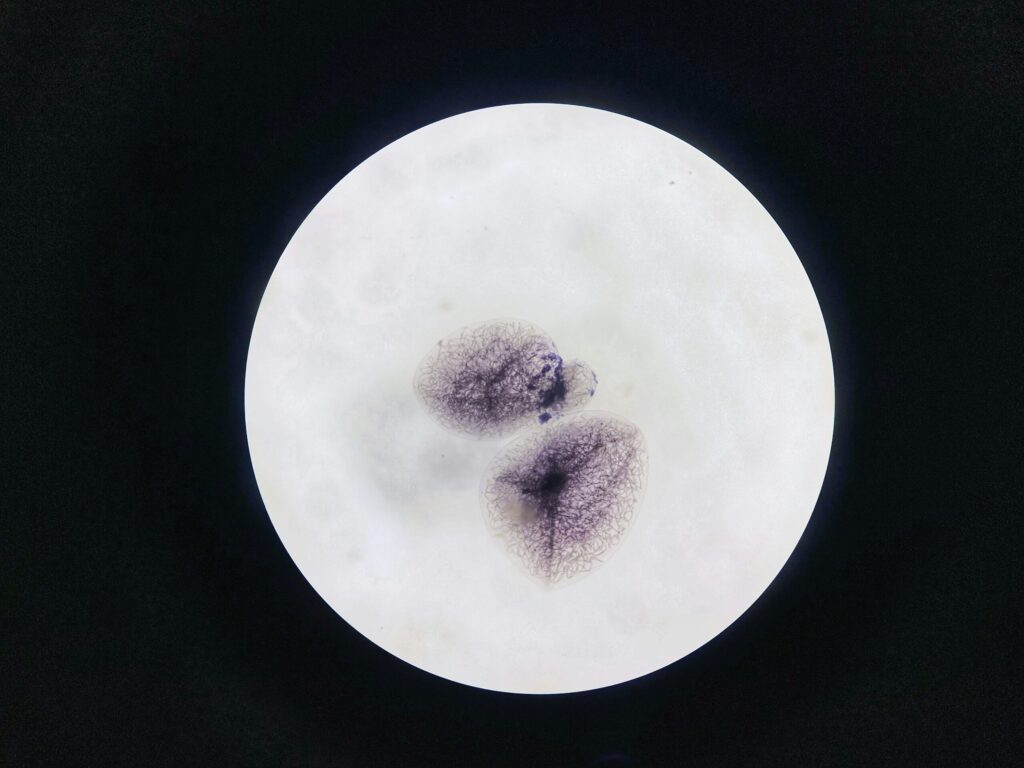
The path to your baby, explained step by step know exactly what happens at each stage of In Vitro Fertilization and feel confident knowing what comes next. Contact us now!! Fecundación In Vitro: Sin misterios, con total claridad Desglosamos el proceso médico en etapas sencillas para que te sientas segura, informada y en control desde el primer día. Contactanos Ahora!! Steps in the treatment of In Vitro Fertilization (IVF) We’ll guide you through the 5 key stages of your treatment. Understand your body and trust the process. What will my treatment be like? The In Vitro Fertilization (IVF) process explained step by step When we hear “In Vitro Fertilization,” it’s normal for our minds to fill with doubts and, let’s admit it, a little fear. Will it hurt? How long does it last? What exactly happens in the lab? At IREGCI, we believe that peace of mind is a fundamental part of success. That’s why we’ve prepared this transparent guide so you know exactly what to expect at each stage of your journey to motherhood. Forget confusing medical terms. Here’s a step-by-step map of your journey. Phase 1: Ovarian Stimulation (Preparing the ground) In a natural cycle, your body releases only one egg per month. To increase the chances of IVF success, we need to “recruit” more. What happens? For about 10-12 days, you will administer hormonal medication (usually very simple subcutaneous injections that you can give yourself at home) to stimulate your ovaries to produce several follicles at once. Follow-up: During these days, you will come to the clinic every 48-72 hours for quick ultrasound scans. This allows us to monitor that the follicles are growing at the perfect rate. Phase 2: Follicular Puncture (Extraction) Once the eggs are mature, we schedule the retrieval. This is the only day that requires minor surgery. What happens? Under mild sedation (you will be asleep and relaxed, you will not feel any pain), the doctor aspirates the fluid from the follicles to retrieve the eggs. Time: It only takes 15 or 20 minutes. After a short rest in our recovery room, you can go home the same day. His role: On the same day, your partner delivers the semen sample (or we use the bank sample) so that our biologists can select the best sperm. Phase 3: Fertilization and Cultivation (The magic of the laboratory) This is where IREGCI’s technology shines. While you relax at home, our team works for you. The union: We unite your eggs with sperm. We frequently use the ICSI technique, where we inject a single sperm directly into each egg to ensure fertilization. Development: The resulting embryos remain in our special incubators for 3 to 5 days. We aim for them to reach the blastocyst stage (day 5), the point at which the embryo is strongest and has the greatest capacity to implant. Phase 4: Embryo Transfer (The Reunion) It is the most emotional and anticipated moment of the process. What happens? We select the best embryo and, using a very thin and flexible catheter, gently place it inside your uterus. Does it hurt? No! It’s a quick and painless process (similar to a Pap smear). It doesn’t require anesthesia, and you can see on the ultrasound screen the exact moment we place the embryo in position. What about the others? If you have more good quality embryos, we vitrify (freeze) them so you can try for a sibling in the future without having to go through stimulation again. Phase 5: The Beta Wait (Patience and hope) Once the transfer is complete, there is a waiting period of approximately 10 to 12 days until the pregnancy test. During this time, you will continue taking medication (progesterone) to maintain a receptive uterus. After this period, we will perform a blood test (Beta hCG) to confirm whether pregnancy has occurred. Make your appointment right now! Δ Why choose IREGCI for this process? IVF is a standard procedure, but technology and personalization make all the difference in the outcome. At IREGCI, we not only have state-of-the-art incubators that mimic the maternal womb, but we also tailor the Phase 1 medication to your specific genetic and hormonal profile, avoiding unnecessary discomfort and maximizing the quality of your eggs. https://www.youtube.com/watch?v=0Ecy0jJt9NI How to get to IREGCI Five steps, one destination: You, being a mom. Fertility treatments At Iregci we provide comprehensive and personalized medical solutions to overcome fertility barriers and achieve pregnancy. Read more Gynecology and Obstetrics At IREGCI, we care for you and your future. We provide expert Gynecology and Obstetrics services, designed to protect your intimate health and monitor the development of your pregnancy with the most advanced technology. Read more Neonatology and Pediatrics At IREGCI we protect your family’s future with expert care in Neonatology and Pediatrics, ensuring the well-being of your little ones from birth. Read more Minimally Invasive Surgery At IREGCI, we prioritize your comfort. Thanks to minimally invasive surgery, we offer effective treatments with virtually imperceptible scars and a reduced hospital stay. Read more Fertility treatments At Iregci we provide comprehensive and personalized medical solutions to overcome fertility barriers and achieve pregnancy. Read more Gynecology and Obstetrics At IREGCI, we care for you and your future. We provide expert Gynecology and Obstetrics services, designed to protect your intimate health and monitor the development of your pregnancy with the most advanced technology. Read more Neonatology and Pediatrics At IREGCI we protect your family’s future with expert care in Neonatology and Pediatrics, ensuring the well-being of your little ones from birth. Read more Minimally Invasive Surgery At IREGCI, we prioritize your comfort. Thanks to minimally invasive surgery, we offer effective treatments with virtually imperceptible scars and a reduced hospital stay. Read more IREGCI, we’re with you every step of the way! FAQs – Frequently Asked Questions When should I see a fertility specialist? If you have been trying to conceive for more than 12 months (or 6 months if you are over 35) without success, a medical evaluation
How to prepare your body before fertility treatment

Success begins with you: Prepare your body for the miracle Discover how small changes in your routine today can significantly increase your chances of getting pregnant tomorrow. Contact us now!! Your body is ready, your dream is closer. IREGCI’s essential guide to welcoming your baby in the best possible conditions. Contact us now!! How to prepare your body before fertility treatment Nutrition, habits and mindset: Everything within your control to help make your treatment a ‘yes’. 5 key points to prepare your body before fertility treatment You’ve made the most important decision: seeking professional help to have your baby. Whether you’re starting Artificial Insemination or In Vitro Fertilization (IVF) at IREGCI, it’s normal to wonder, “What can I do to help?” The answer is: A lot. Although technology and science do much of the work, your body is the “soil” where we plant the seed. Preparing that ground two or three months in advance can improve the quality of your eggs, the receptivity of your uterus, and ultimately, your success rates. Nutrition: Your first medicine It’s not about “dieting” to lose weight, but about nourishing your fertility. Opt for the Mediterranean diet: Rich in fruits, vegetables, legumes, fish and healthy fats (such as olive oil and avocado). Antioxidants: Red fruits, nuts, and leafy green vegetables help protect your eggs from cellular aging. Reduce processed foods: Refined sugar and white flour can cause insulin spikes that affect ovulation. Folic Acid: Don’t wait for a positive test It’s the star supplement. Ideally, you should start taking it at least 3 months before trying to conceive. It not only prevents birth defects but also helps create a healthy cellular environment for egg development. Note: During your consultation at IREGCI, we will advise you on the exact dosage and whether you need any other vitamin supplements (such as Vitamin D). “Detox” of Habits (Tobacco and Alcohol) This is the most critical point. Tobacco: Smoking ages the ovaries prematurely and reduces egg quality. Quitting is the best gift you can give your future baby. Alcohol: Ideally, its consumption should be reduced to a minimum or eliminated completely during the stimulation and transfer process. Weight and Exercise: Find Balance Neither a sedentary lifestyle nor extreme exercise are good for fertility. A healthy Body Mass Index (BMI) helps hormone medication work better and more predictably. Engage in moderate physical activity (walking, swimming, yoga). Avoid high-intensity workouts during ovarian stimulation, as your ovaries will be larger and more sensitive. Stress Management (The Forgotten Factor) We know it’s difficult to ask you to “relax” right now, but cortisol (the stress hormone) can interfere with your reproductive hormones. Dedicate 15 minutes a day to yourself: meditation, reading, or breathing exercises. Getting enough sleep (7-8 hours) is essential for hormonal regeneration. Make your appointment right now! Δ A message for them! (50% of the equation) If you have a male partner, remind him that this is a team effort. Sperm take about 70 days to develop. If he improves his diet, quits smoking, and avoids excessive heat in the genital area for the three months prior, the quality of the sample will improve significantly. At IREGCI we do the rest You take care of your temple (your body), and we’ll take care of the science. By combining your healthy habits with our cutting-edge technology, we’re creating the perfect environment for the miracle of life. Ready to begin this journey? Don’t wait any longer to take the first step. Why choose IREGCI for this process? We know that changing habits and preparing your body requires a great deal of physical and emotional effort on your part. At IREGCI, we honor that commitment by offering you a treatment that enhances your results. https://www.youtube.com/watch?v=0Ecy0jJt9NI How to get to IREGCI 1. Personalized (Not Generic) Protocols: Not all women need the same medication dosage or supplements. At IREGCI, we evaluate your body mass index, ovarian reserve, and overall health to design a customized stimulation protocol for you. This not only improves results but also protects your health and minimizes side effects. 2. Comprehensive Support from Day 1: You’re not alone in this preparation process. Our medical team will guide you on the specific vitamins you need (such as the exact doses of folic acid or vitamin D) and which lifestyle changes will have the greatest impact on your particular case. You won’t have to guess or rely on advice from the internet. 3. Technology that Maximizes Your Effort: You focus on producing the best possible eggs while taking care of your health, and we take care of them in the laboratory. We have state-of-the-art incubators and sperm selection technology that ensure your physical effort translates into the highest possible success rates. 4. A Human and Empathetic Approach We understand that fertility is a marathon, not a sprint. Our team is not only there for the technical aspects, but also to support you when stress arises. We are your partners on this journey, celebrating every small step forward with you until you reach the finish line. Experts in guiding you step by step: You won’t walk alone. Fertility treatments At Iregci we provide comprehensive and personalized medical solutions to overcome fertility barriers and achieve pregnancy. Read more Gynecology and Obstetrics At IREGCI, we care for you and your future. We provide expert Gynecology and Obstetrics services, designed to protect your intimate health and monitor the development of your pregnancy with the most advanced technology. Read more Neonatology and Pediatrics At IREGCI we protect your family’s future with expert care in Neonatology and Pediatrics, ensuring the well-being of your little ones from birth. Read more Minimally Invasive Surgery At IREGCI, we prioritize your comfort. Thanks to minimally invasive surgery, we offer effective treatments with virtually imperceptible scars and a reduced hospital stay. Read more Fertility treatments At Iregci we provide comprehensive and personalized medical solutions to overcome fertility barriers and achieve pregnancy. Read more Gynecology and Obstetrics At IREGCI, we care for you and your future. We
Most common causes of infertility in young women
Youth and Infertility: What no one tells you. The hidden reasons why many young women need help to conceive. Contact us now!! Being young doesn’t make you immune to infertility. From Polycystic Ovary Syndrome to Endometriosis: understand why you’re getting a positive pregnancy test and how your youth works in your favor to solve it. Contact us now!! Most common causes of infertility in young women The hidden reasons why many young women need help to conceive. I’m young and healthy, why can’t I get pregnant? We often think that infertility is an issue exclusive to women over 35 or 40. There’s a widespread belief that if you’re young and have menstrual cycles, pregnancy should happen “on the first try.” However, at IREGCI, we frequently see women in their 20s and 30s who, after months of trying, feel confused and frustrated. The reality is that youth is a great advantage, but it doesn’t guarantee absolute fertility. If you’re young and haven’t gotten a positive pregnancy test, there’s likely an underlying medical condition. The good news is that, being young, your chances of success with the right treatment are very high. Polycystic Ovary Syndrome (PCOS) and Anovulation It is, without a doubt, the number one cause of infertility in young women. For pregnancy to occur, ovulation must happen (the ovary releases an egg). In women with PCOS, there is a hormonal imbalance that prevents eggs from maturing or being released regularly. The sign: If your periods are very irregular (months go by without a period) or you have excess hair growth/acne, you may not be ovulating every month, which drastically reduces your chances of conceiving. Blockage of the Fallopian Tubes The fallopian tubes are the bridge where sperm meets the egg. If they are blocked, fertilization is impossible. In young women, this is often due to old, untreated infections (such as chlamydia or poorly treated pelvic infections) or previous surgeries (appendix, peritonitis). The IREGCI solution: We are the only center in Latin America with videofallopian tubes, a technology that allows us to access and view your fallopian tubes from the inside to diagnose them and, in many cases, unblock them during the same procedure. Endometriosis (“The silent disease”) Many young women believe that debilitating menstrual pain is “normal.” It’s not. Endometriosis occurs when uterine tissue grows outside the uterus, causing inflammation and scarring that can affect the ovaries and fallopian tubes. It affects egg quality and makes implantation difficult. The signs: Severe menstrual cramps, pain during sex, or chronic pelvic pain. Uterine Factors (Polyps or Septums) Sometimes, the problem lies in the baby’s “little home.” Although less common in younger women than in older women, the following may be present: Polyps: Small growths of tissue in the endometrium that act like a natural IUD, preventing the embryo from implanting. Septa: Birth defects that divide the uterus. Make your appointment right now! Δ An extra point: The Male Factor Don’t forget: in 40% of cases, the cause originates with the man. Problems with sperm count or motility can affect very young couples. That’s why at IREGCI we always test both partners. Your youth is your best ally If you identify with any of these causes, don’t be discouraged. Being under 35 works in your favor: your eggs are usually of excellent genetic quality, which means that fertility treatments (from simple procedures to IVF) have extraordinary success rates. Don’t waste valuable time waiting for it to happen “by magic”. Early diagnosis is the shortest path to your baby. Why choose IREGCI for this process? Choosing IREGCI means stopping trial and error and finding real answers. We are the only center in Latin America with exclusive technology, such as videofallopian tubescopy, which allows us to detect and resolve subtle problems that conventional studies miss. https://www.youtube.com/watch?v=0Ecy0jJt9NI How to get to IREGCI 1. Unique Technology in Latin America: While other centers are limited to basic studies (which sometimes produce false-positive results), at IREGCI we have videofallopian tube scintigraphy. We are the only ones who can see inside your fallopian tubes. If there is a subtle blockage preventing you from getting pregnant, we will find it and resolve it. 2. Precision Diagnosis (Goodbye to “Unexplained Infertility”): Many young patients come to us with the frustrating diagnosis of “everything is fine, it’s just stress.” We don’t accept that. We use high-definition hysteroscopy and laparoscopy to detect the invisible: small areas of endometriosis or uterine problems that others overlook. 3. Medical Ethics: The Right Treatment: When you are young, your ovarian reserve is usually good. At IREGCI, we will not push you directly toward the most expensive treatments (like IVF) unless it is strictly necessary. If your problem can be resolved with minimally invasive surgery or ovulation induction, that will be our first option. We respect your body and your budget. We Make the Most of Your Youth. Your age is a tremendous biological advantage. Combined with our state-of-the-art laboratory technology, we achieve the highest pregnancy rates in the region for patients under 35. At IREGCI, we transform your potential into a healthy baby. 5. Comprehensive Support. We know that infertility is painful, regardless of age. Our team not only treats your reproductive system; we support you emotionally every step of the way, providing the warmth and confidence you need to persevere. Experts in turning difficult diagnoses into success stories. IREGCI, we’re with you every step of the way! FAQs – Frequently Asked Questions When should I see a fertility specialist? If you have been trying to conceive for more than 12 months (or 6 months if you are over 35) without success, a medical evaluation is recommended. What is the difference between artificial insemination and in vitro fertilization (IVF)? Insemination places the sperm directly into the uterus, while IVF fertilizes the egg in a laboratory and then transfers the embryo. Is fertility treatment painful? Most procedures are minimally invasive and are performed with anesthesia or pain-reduction measures. What are the chances of success for a treatment? It
What is infertility and when should I consult a specialist?

Infertility: Clear answers to your biggest questions Discover what infertility really is, debunk myths, and find out the perfect time to schedule your first appointment. Contact us now!! Why am I not getting pregnant? Everything you need to know. Don’t wait in silence. Learn to identify when nature needs a little help from science. Contact us now!! What is infertility? And when should I consult a specialist? Infertility is more common than you think. Here we explain the signs that indicate it’s time to consult a specialist. Why can’t I get pregnant? What is infertility and when to seek help The decision to have a baby is one of the most exciting moments in a couple’s life. They stop using contraception, dream about the future, and eagerly await each month. But what happens when the months go by and that positive test doesn’t arrive? It’s normal to feel frustration, sadness, and even guilt. However, the first thing you should know is that you’re not alone. Infertility is a much more common medical condition than you might think, and thanks to current technology, the vast majority of cases have a solution. In this article, we explain what infertility really is and when the exact moment is to stop trying “blindly” and consult an IREGCI specialist. What exactly is infertility? Medically, infertility is defined as the inability to achieve a clinical pregnancy after 12 months of regular, unprotected sexual intercourse. It is vital to differentiate between two concepts: Sterility: Irreversible inability to conceive (very rare). Infertility: Difficulty conceiving or carrying a pregnancy to term. This means that it is possible to conceive, but medical help is needed to overcome the biological obstacle. Make your appointment right now! Δ The Golden Rule: When should I consult a specialist? Time is the most valuable factor in fertility (especially for women). You don’t always have to wait a full year. Here’s the standard medical guide: 1. If you are UNDER 35 years old: The recommendation is to try to conceive naturally for 1 year. If after 12 months of frequent intercourse there is no pregnancy, it’s time to schedule an appointment. 2. If you are OVER 35: After this age, ovarian reserve (the quantity and quality of eggs) begins to decline naturally. Don’t wait a year. If you haven’t conceived after 6 months, consult a specialist. 3. If you are OVER 40: We recommend scheduling an evaluation appointment immediately or as soon as you decide to try to conceive. Every month counts, and early guidance can make all the difference. Watch out! Don’t wait if you have these “Warning Signs” Regardless of your age, you should check immediately if you have a history of: Irregular menstrual cycles: If your period doesn’t come every month, you’re probably not ovulating. Intense pelvic pain: Very strong cramps during menstruation could indicate Endometriosis. History of surgeries: Previous operations on ovaries, uterus or appendix. Previous losses: If you have had two or more miscarriages. Male Factor: If your partner has had urological surgeries, mumps in adulthood, or erection/ejaculation problems. Why choose IREGCI for this process? We know that taking the step of going to the doctor can be scary. Many people fear receiving bad news. But at IREGCI, our approach is different: we look for solutions, not blame. https://www.youtube.com/watch?v=0Ecy0jJt9NI How to get to IREGCI Accurate Diagnosis: We have unique technologies in Latin America, such as videofallopian tubes, to see what other tests miss. It’s a Joint Responsibility: We understand that infertility affects both partners (40% female causes, 40% male causes, 20% mixed causes), so we evaluate both partners comprehensively. Treatments Tailored to Your Needs: From low-complexity procedures to In Vitro Fertilization, we design a plan that offers you the highest probability of success in the shortest possible time. Experts in turning difficult diagnoses into success stories. IREGCI, we’re with you every step of the way! FAQs – Frequently Asked Questions When should I see a fertility specialist? If you have been trying to conceive for more than 12 months (or 6 months if you are over 35) without success, a medical evaluation is recommended. What is the difference between artificial insemination and in vitro fertilization (IVF)? Insemination places the sperm directly into the uterus, while IVF fertilizes the egg in a laboratory and then transfers the embryo. Is fertility treatment painful? Most procedures are minimally invasive and are performed with anesthesia or pain-reduction measures. What are the chances of success for a treatment? It depends on the couple’s age, diagnosis, method used, and overall health. A specialist can estimate your personalized probability. How does age affect fertility? Female fertility declines significantly from the age of 35 due to the quantity and quality of the eggs. What options are available if I cannot use my own eggs or sperm? Egg, sperm or embryo donation can be used. If you have been trying to conceive for more than 12 months (or 6 months if you are over 35) without success, a medical evaluation is recommended. Insemination places the sperm directly into the uterus, while IVF fertilizes the egg in a laboratory and then transfers the embryo. Most procedures are minimally invasive and are performed with anesthesia or pain-reduction measures. It depends on the couple’s age, diagnosis, method used, and overall health. A specialist can estimate your personalized probability. Female fertility declines significantly from the age of 35 due to the quantity and quality of the eggs. Egg, sperm or embryo donation can be used. Fertility treatments At Iregci we provide comprehensive and personalized medical solutions to overcome fertility barriers and achieve pregnancy. Read more Gynecology and Obstetrics At IREGCI, we care for you and your future. We provide expert Gynecology and Obstetrics services, designed to protect your intimate health and monitor the development of your pregnancy with the most advanced technology. Read more Neonatology and Pediatrics At IREGCI we protect your family’s future with expert care in Neonatology and Pediatrics, ensuring the well-being of your little ones from birth. Read more
In Vitro Fertilization
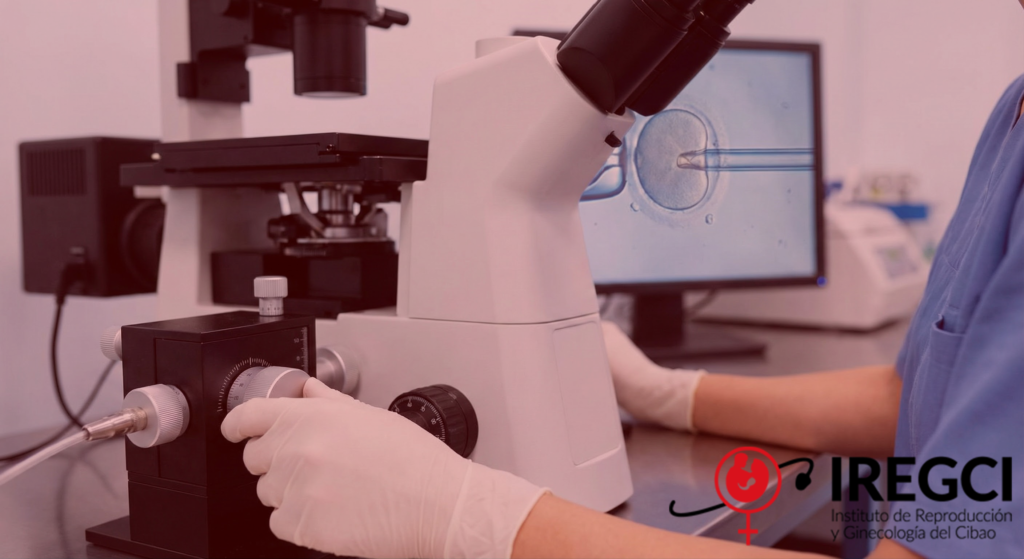
The path to motherhood can be difficult, but you don’t have to walk it alone. At IREGCI, we turn hope into life.
When natural or low-complexity methods have failed, In Vitro Fertilization (IVF) offers a real opportunity to achieve pregnancy. It is the most effective and proven high-complexity Assisted Reproductive Technology worldwide, designed to overcome barriers such as blocked fallopian tubes, severe endometriosis, male factor infertility, or advanced maternal age.